

Life on Moonveil Farm
Welcome to the Moonveil Farm blog! Join us as we share stories and photos from our daily life, from caring for our Elliottdales and British Whites to the seasonal activities that keep the farm thriving. We hope you enjoy a peek into our world down here in Australia. We'd love for you to become a part of our story, so please leave us a comment!
Special visitors
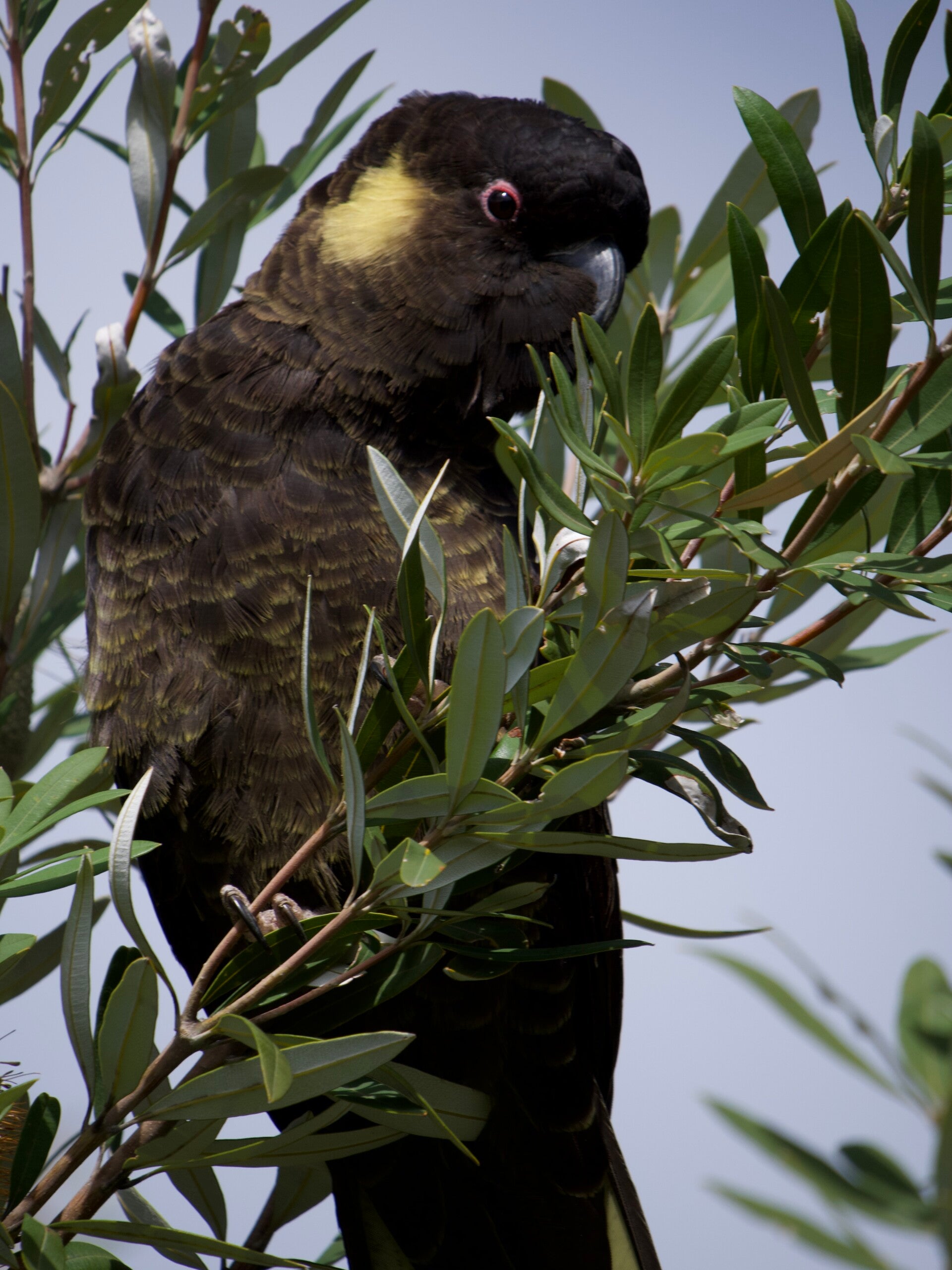
The yellow tailed black cockatoo movements tell the weather story for us. As they fly overhead to the mountains, we know that warmer weather will soon be here. If they head towards the sea, it's a sign of cold weather approaching.
However, we live in Tassie. And the seasons are sometimes a little different. Whilst a cool change can be fantastic after a run of hot days, snow at an Australian Christmas is always a bit odd.
For the yellow tailed black cockatoos, the changing climate means we get them visiting much more frequently as they escape the heat or the cold. In a normal year we may be lucky enough to see them two or three times. This year, I think we're up to visit 16 as the weather and the seasons are a little all over the place. I'm tempted to start seeing if they respond to names at this point.
In good news we have banksia trees with plentiful seed heads for them to snack on around the place. It's also such a privilege to actually see these guys and hearing their distinctive call always brings a smile to my face as I scan the skies to see where they are.
Fun fact - the YTBs with pink around their eyes, like the one pictured on the left, are the boys of the crew.
Living with wildlife
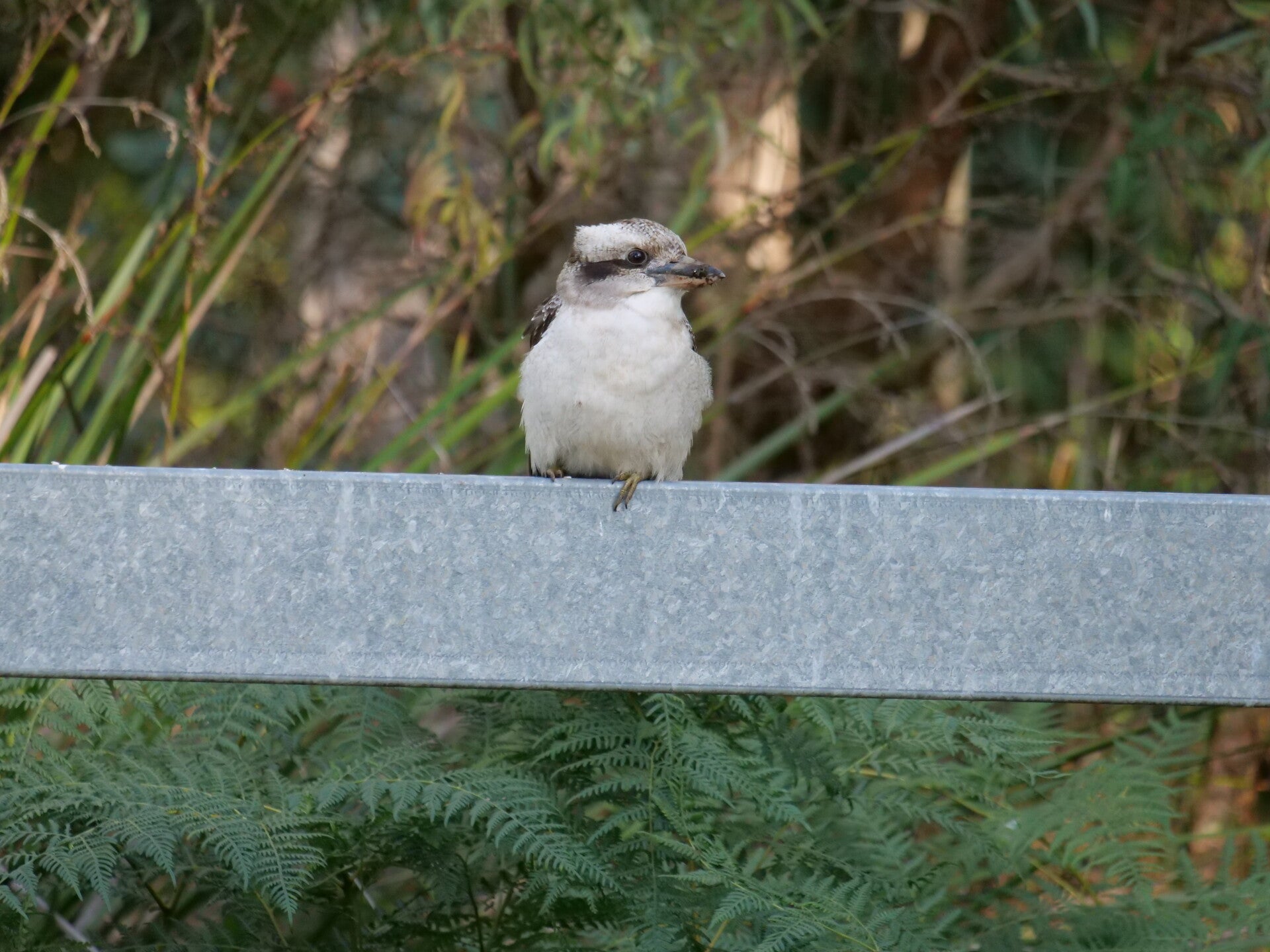
One of the best things about farm life is the exposure to native animals. Kookaburras especially always seem to be the life of the party. This little guy has been following me around lately. I'm not sure whether he's worked out that the worms get exposed when I'm cleaning up paddocks and pulling bracken or whether he wants a job as overseer, but he's very cute.
He and his nest mate also have at least 2 fledglings who I'm hoping to capture on camera. They are the fluffiest little balls of joy.
Looking after elderly ewes
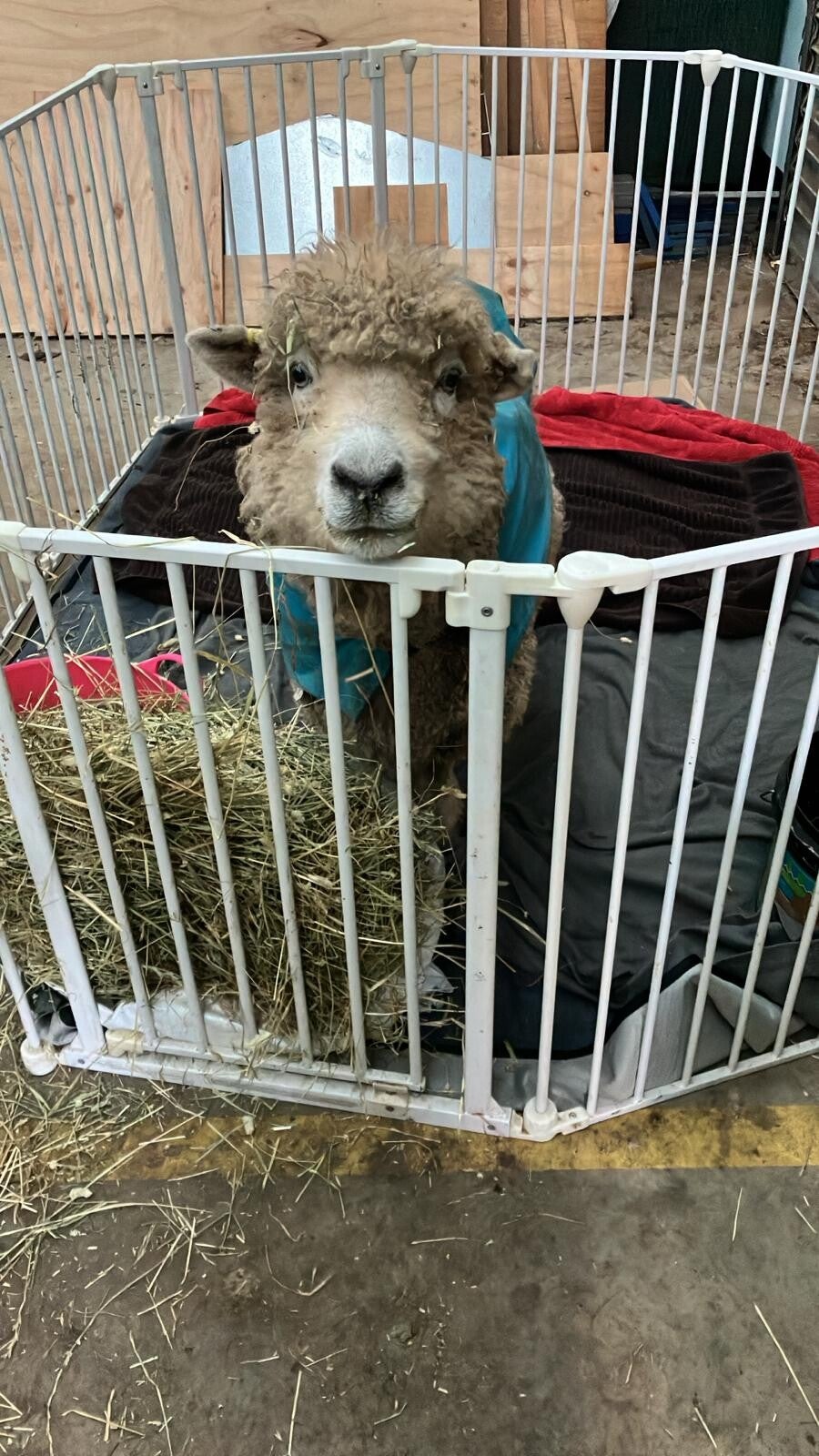
At the time of writing this, Minnie (pictured on the left) is about to turn 13
That's a fair innings for a sheep, especially one who was originally raised on a much larger farm and who had her tail docked too short. Minnie had her last lamb in 2021, when she was 8, due to her short-docked tail. I worried that putting her in lamb again would cause her some real complications as tails that are too short may affect muscle tone in the pelvic region.
Minnie now has a bit of daily TLC to make sure she stays in optimal health. She lives in an orchard paddock near the shed where she can be monitored daily. She has paddock mates during summer when the rest of the crews are out grazing but she prefers to have her own space in winter when the other girls are all kept in their home paddocks so are right there if she wants company. She also has the chickens as her constant companions. I think she prefers them as they steal less of her food.
Things that I've found have helped her:
- Rugging and stabling during winter. Now that Mins is older her wool doesn't grow as fast and she isn't regulating her temperature as well as she used to. Keeping her warm on cold nights means she has more energy available to digest food and keep her body condition up.
- Multiple feeds a day. Whereas the younger ones get hard feed once a day, Minnie gets 2-4 feeds a day depending on the weather. She has primarily lucerne and lupins to keep her fibre, calcium and energy up but limit her risk of acidosis. She also gets free access to hay.
- Multiple mineral sources. Mins gets minerals in her water and access to a dry mineral mix. She always gets the option of taking nothing by having clean fresh water as well. I've found that they prefer a dry mix to a lick block.
- Proactive intervention. If her appetite drops or her eyes are a little weepy, then B12 is supplemented. If she looks a little lethargic, her temperature gets monitored. The goal is always to intervene early to keep her as healthy as possible.
Add comment
Comments