

Elliottdales
Learn about our beautiful Elliottdale friends (overlords) and the importance of their breed. On this page especially, we'd like to thank Carl Terrey for being the champion of the breed and preserving them so that we could have them in our lives.
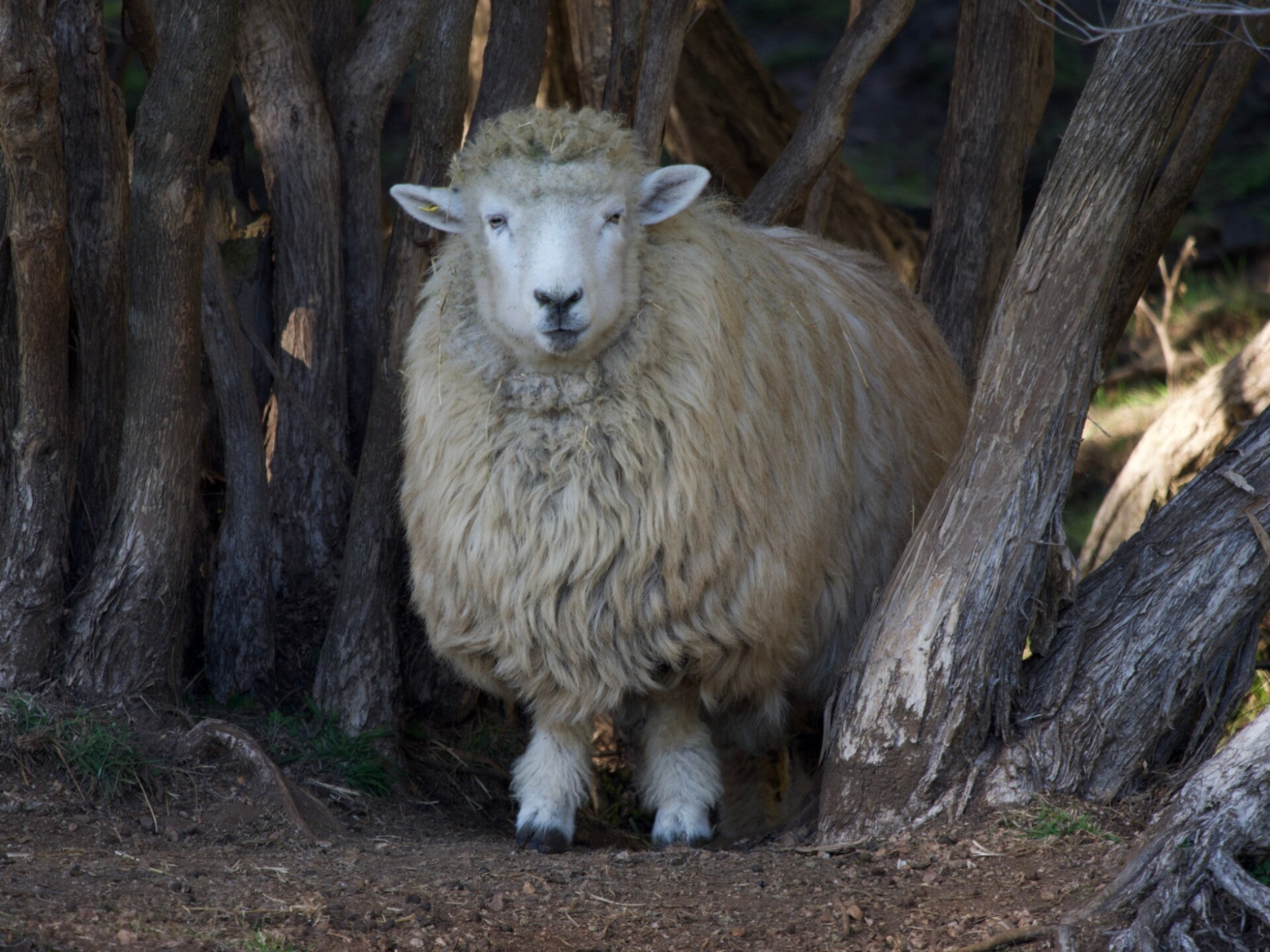
From a breed standard perspective, freshly shorn ewes are around 55-65 kilograms with rams 75-95kg. All ewes are polled and some scurrs or horns can appear in the male lines.
History of Elliottdales
The Elliottdale breed was first developed in the 1960s. People wanted white wool so that they could make colourful carpets and none of the existing breeds met that brief. In NZ, they'd developed the Drysdale from Romney genetics but they were unwilling to let any of them come to Australia.
Hence, the race was on. The CSIRO at the Elliott research station in Tasmania began experimenting with Romney genetics. Instead of isolating the EL1 gene used for the Drysdales, they focused on the EL2 gene to produce a long, stable fibre length with a largely polled sheep breed and white wool. The Elliottdale breed was created in Tasmania with the first sires put over Romney ewes and bred in the Midlands. The ewes lambed easily with the lambs coping well in the harsh conditions and the ewes mothering them exceptionally well.
They also grew wool in straight lengths with high microns exceptionally fast; necessitating two clips a year.
Decline of Elliottdales
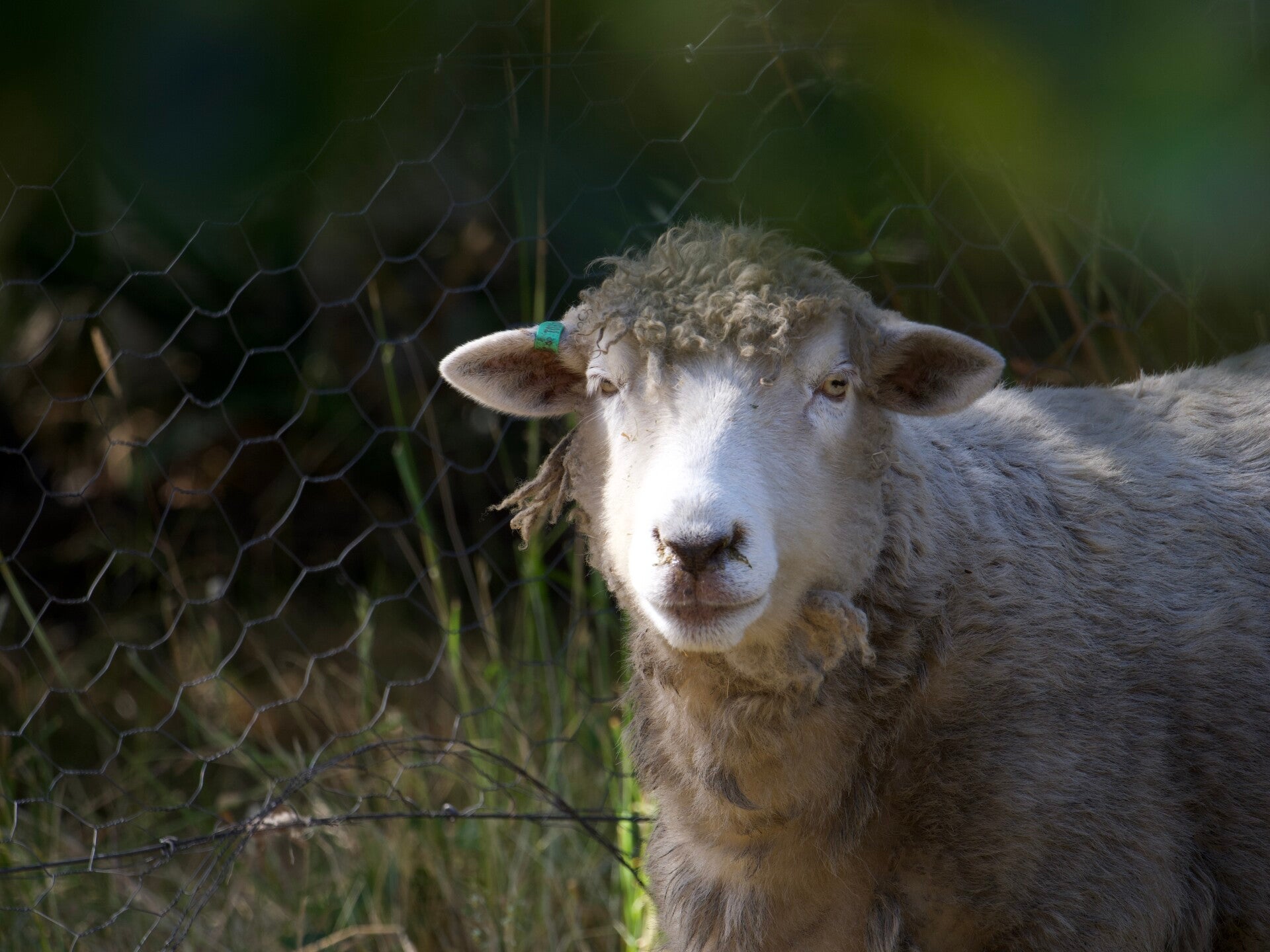
From the early 1990s, the demand for carpet wool decreased. People moved towards synthetic carpets and manufacturing of carpets moved from Tasmania to China and other overseas destinations. Gradually even the scrubbing facilities migrated overseas so there were no local options to process the wool.
The Elliottdales were now surplus to requirements. Key groups attempted to explore alternate markets for the fleece with limited success. The options to transition them to the meat market were similarly problematic due to the speed of their wool growth and therefore higher husbandry requirements when compared to Australian Whites, Dorpers or other self shedding breeds.
Importance of Preserving Elliottdales
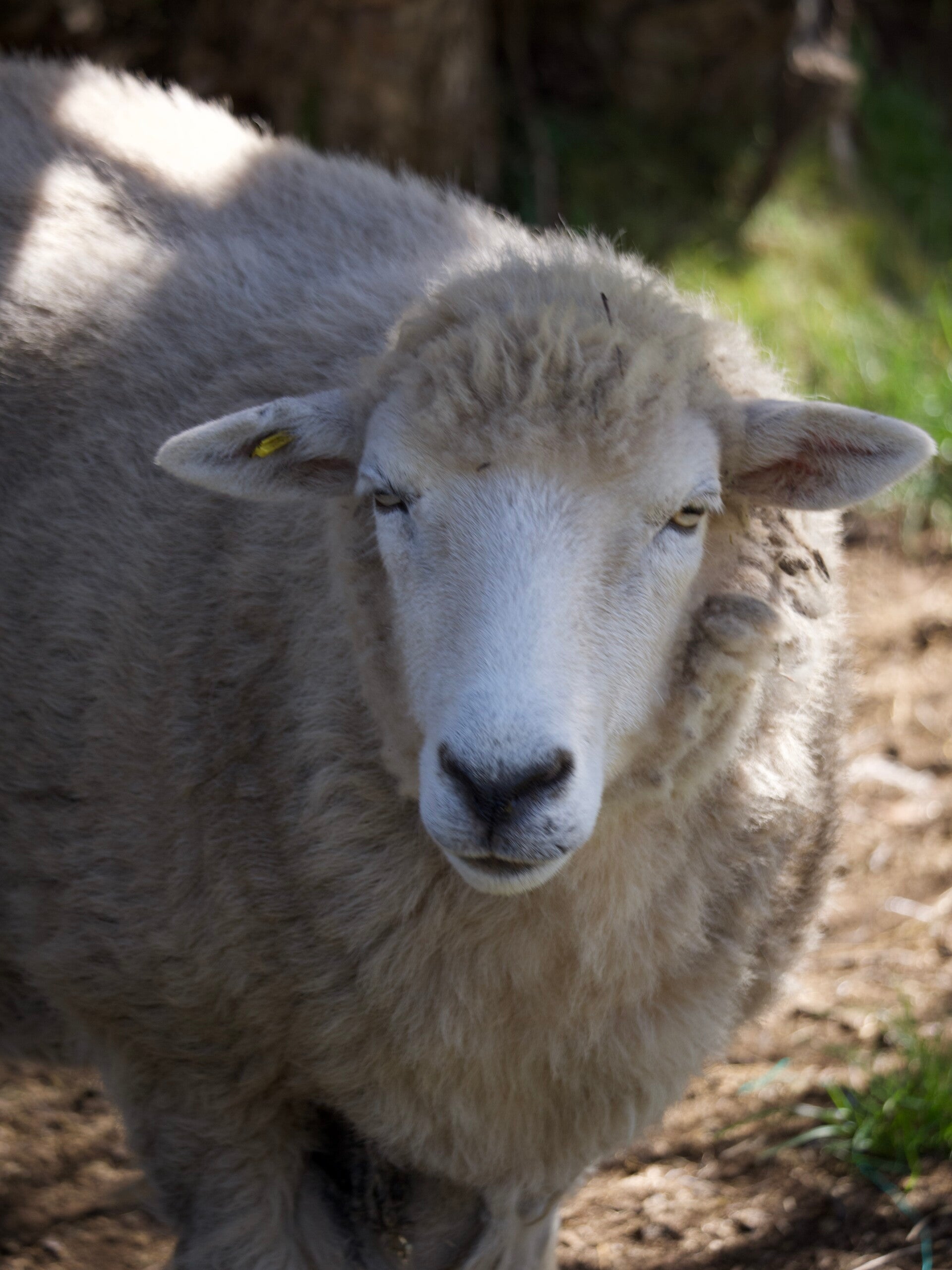
The Elliottdale breed is an important part of Tasmanian and Australian history. Their development is wholly Australian and the team who did it created opportunities for the Australian economy that otherwise would not have existed.
They have amazing temperament and are extremely trainable. Their fleece can be used for weed matting and other applications in horticulture and is a natural, regenerative product.
Aside from that, they're highly intelligent, hardy sheep well suited to the Tasmanian climate. They have solid hooves and are easy lambers with a dual purpose (meat and wool) focus.
What does full wool look like?
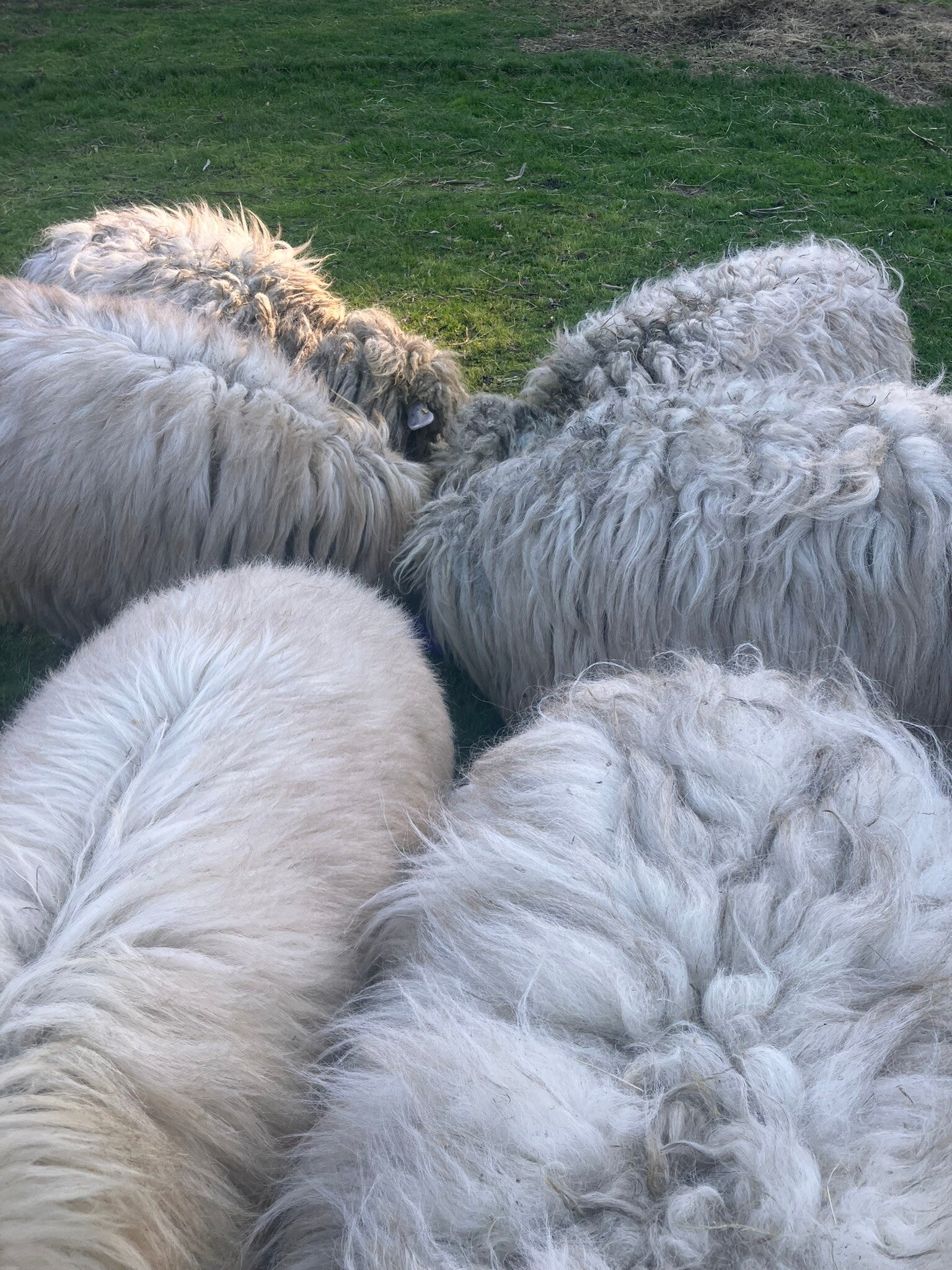
It can be hard to picture what full wool looks like for an Elliottdale if you've only seen merinos and other crimped breeds. So, here's a few of the flock demonstrating what full wool is. I call this the "floofy mattress" stage of their growing cycle because if you do get sandwiched between a couple of sheep, it's very padded. Depending on the age and health of the sheep, wool can grow between 1 to 1.5 inches a month.
From a management perspective, this does mean you need to be more vigilant about monitoring them for body condition as it's not easy to see what's wool and what's the underlying sheep. The sheer weight of the wool also means they have an increased risk of becoming cast.
Interested in learning more about Elliottdales?
Contact us for more information on how you can help preserve the Elliottdales.